A Medical Guide to Blood Tests and Imaging for Peripheral Arterial Disease Encino
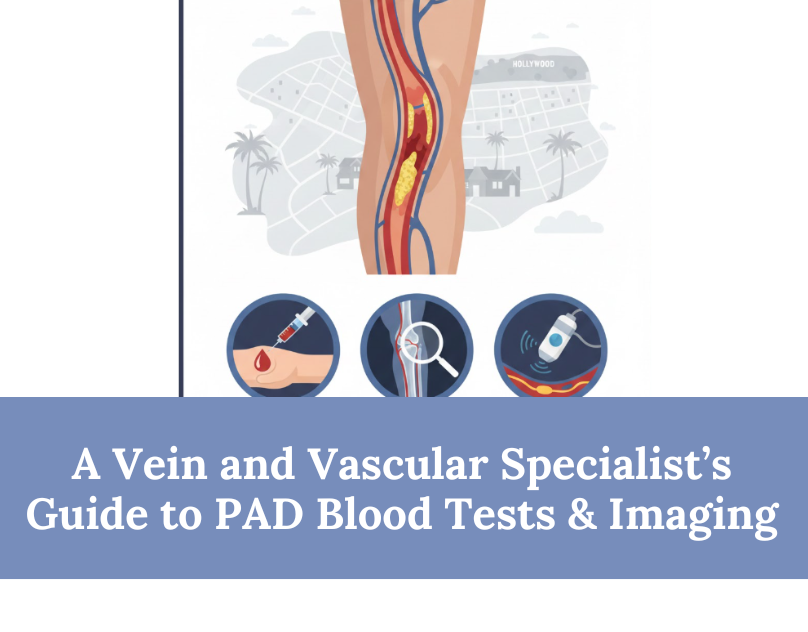
If you’re experiencing leg pain, numbness, or coldness in your extremities, you might need specialized testing for peripheral arterial disease Encino. This condition affects blood flow to your limbs and requires an accurate diagnosis through specific medical tests. Moreover, finding the right peripheral artery disease doctor Encino can make all the difference in your treatment journey.
Understanding Diagnostic Blood Tests
Blood tests play a crucial role in identifying risk factors associated with arterial disease. Your healthcare provider will typically order several laboratory tests to assess your overall vascular health. These tests help measure cholesterol levels, blood sugar, and inflammation markers that contribute to arterial blockages. Furthermore, complete blood count (CBC) tests can reveal underlying conditions affecting circulation. Lipid panels provide detailed information about your cholesterol profile, including LDL, HDL, and triglycerides. Additionally, doctors check for elevated homocysteine levels, which indicate increased cardiovascular risk.
Essential Imaging Procedures
Diagnostic imaging offers detailed visualization of your arterial system. The ankle-brachial index (ABI) serves as a non-invasive first-line screening tool. During this test, blood pressure measurements from your arms and ankles are compared to detect circulation problems.
Doppler ultrasound technology allows physicians to examine blood flow patterns in the legs. This painless procedure uses sound waves to create images of your arteries and identify narrowed or blocked vessels. Consequently, doctors can determine the severity of your condition without invasive procedures.
Advanced Imaging Options
When basic tests indicate significant blockages, more detailed imaging becomes necessary. Computed tomography angiography (CTA) provides three-dimensional views of your arterial system. Similarly, magnetic resonance angiography (MRA) offers high-resolution images without radiation exposure.
Angiography remains the gold standard for diagnosing peripheral arterial disease. This procedure involves injecting contrast dye into your arteries while X-ray images are captured. Although more invasive, it provides the most accurate assessment of arterial blockages.
What to Expect During Testing?
Preparation for vascular testing varies depending on the specific procedures ordered. Generally, you’ll need to fast for 8-12 hours before blood work. Wear comfortable, loose-fitting clothing that allows easy access to your arms and legs.
Most tests are performed on an outpatient basis and take between 30 minutes to two hours. Results are typically available within a few days, though some blood tests may take longer. Your peripheral artery disease doctor Encino will review findings with you and discuss treatment options.
Interpreting Your Test Results
Understanding your diagnostic results helps you make informed treatment decisions. An ABI score below 0.9 suggests arterial occlusions, while a score below 0.5 indicates severe disease. Blood test abnormalities, such as high cholesterol or diabetes, require lifestyle modifications and possibly medication.
Imaging studies reveal the location and extent of arterial narrowing. Based on these findings, your vascular specialist may recommend conservative management, medication, or interventional procedures. Early detection through comprehensive testing significantly improves treatment outcomes and prevents complications like tissue damage or amputation.
Remember, regular screening is essential if you have risk factors like smoking, diabetes, high blood pressure, or family history. Working closely with experienced vascular specialists in Encino ensures you receive an accurate diagnosis and personalized care for peripheral arterial disease.
