What to Do If You Notice Poor Circulation Symptoms in Your Legs?
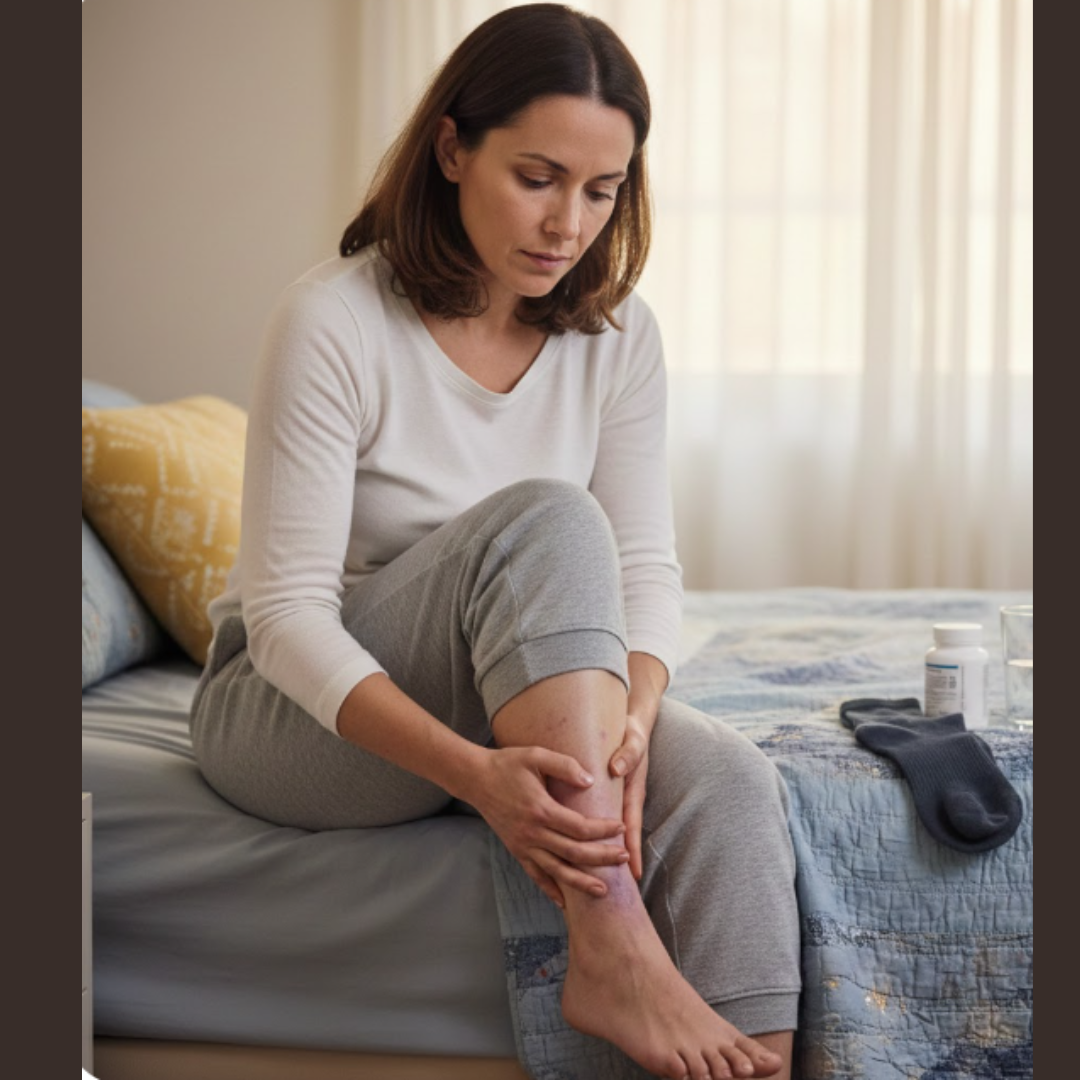
Experiencing heaviness, tingling, or persistent coldness in your legs? These could be signs of reduced blood flow that shouldn’t be ignored. Poor circulation symptoms often develop gradually, making them easy to dismiss — until they interfere with daily life. Understanding what’s happening in your body and acting early can prevent serious complications, improve your comfort, and help you make smarter decisions about your vascular health.
What Are the Warning Signs Worth Watching?
Your legs communicate distress in several ways:
- Numbness or tingling that comes and goes.
- Swelling around the ankles or feet.
- Skin discoloration — pale, bluish, or reddish patches.
- Cramping during walking that eases with rest.
- Slow-healing wounds on the lower legs or feet.
What Should You Do First?
- Move more intentionally. Short walks, leg elevations, and stretching activate blood flow naturally. Avoid sitting or standing in one position for extended periods.
- Review your lifestyle habits. Smoking, poor diet, and dehydration directly restrict circulation. Small, consistent changes create meaningful improvements over time.
When Should You See a Specialist?
If poor circulation symptoms persist beyond a few weeks or worsen, consult a vascular health professional. Conditions like peripheral artery disease or venous insufficiency require clinical evaluation — not just lifestyle adjustments.
Are Supportive Products Helpful?
Compression wear, circulation-boosting footwear, and topical therapies are increasingly popular for managing poor circulation symptoms at home. Always choose clinically supported options suited to your specific condition.
Early action matters. Talk to a healthcare provider, adopt movement-friendly habits, and explore evidence-based support products to take control of your leg health before symptoms escalate into something harder to manage.
