5 Unusual Deep Vein Thrombosis Symptoms in Early Stages
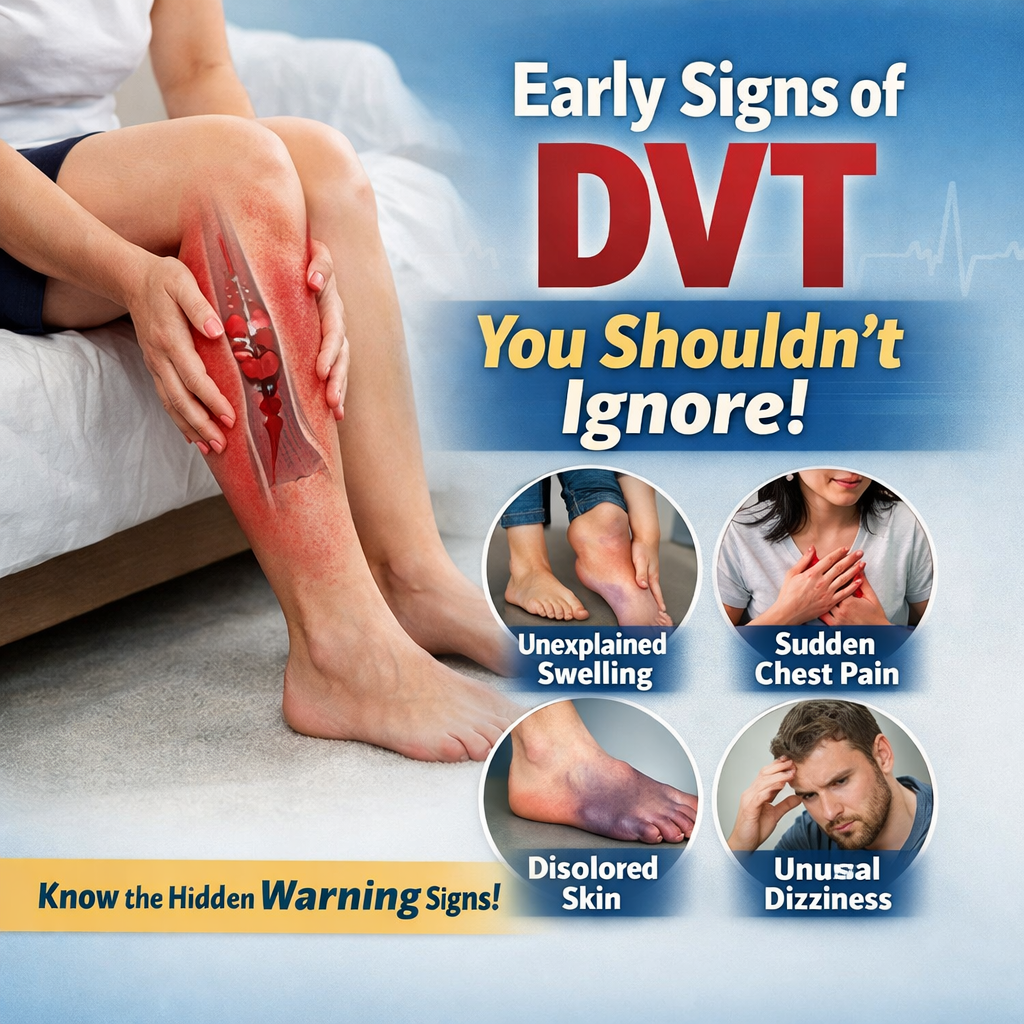
Most people associate blood clots with obvious leg pain or swelling, but deep vein thrombosis symptoms can show up in ways that are easy to dismiss. Catching them early makes a real difference in preventing serious complications like pulmonary embolism. Here are five lesser-known signs that deserve your attention especially if you spend long hours standing, sitting, or working in physically demanding jobs, such as security services.
Is That Skin Discolouration Something Serious?
One of the earliest deep vein thrombosis symptoms people overlook is a subtle change in skin tone. The affected area may appear slightly red, bluish, or have a warm, blotchy appearance often mistaken for a bruise or minor irritation.
Why Does Your Leg Feel Heavier Than Usual?
A heavy, fatigued sensation in one leg without any obvious injury can signal a developing clot. This isn't the typical soreness from a long shift. It feels persistent, unusual, and often worse when standing for extended periods.
Unexplained Cramping That Won't Go Away
Muscle cramps, especially in the calf area, that arrive without exercise or dehydration as a cause should raise concern. These cramps tend to linger longer than expected.
Visible Surface Veins Appearing Suddenly
When deeper veins are partially blocked, smaller surface veins near the skin may become more visible or slightly enlarged as blood reroutes.
Mild Warmth in One Specific Spot
Localised warmth without redness or injury in one part of your leg is a quiet but notable early warning sign of deep vein thrombosis.
Don't wait for dramatic pain before taking action. If you notice any of these signs, consult a healthcare provider promptly. Early detection protects your long-term health and keeps you performing at your best on duty or off.
